
The Different Shapes of Wine

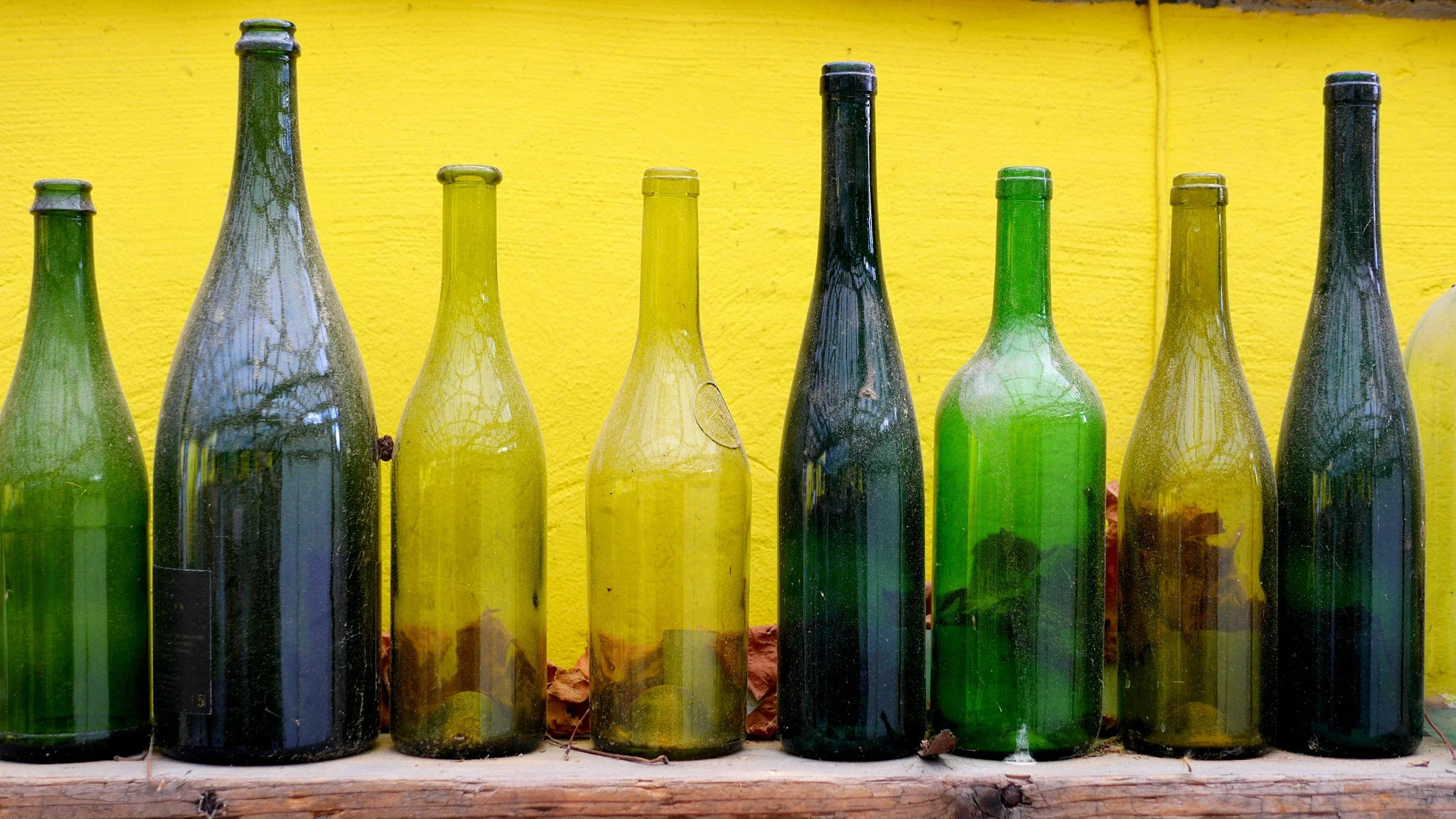
The shape of a wine bottle might seem like a simple design choice, but it carries centuries of history and practicality. Long before labels were standardized, bottle shapes helped merchants and drinkers identify a wine’s origin at a glance. Over time, these forms became closely tied to specific regions and styles, turning glass into a quiet but powerful language within the wine world. Even today, the silhouette of a bottle can set expectations before the cork is ever pulled.

One of the most recognizable shapes is the Bordeaux bottle, with its tall profile and pronounced shoulders. You would recognize a Bordeaux bottle from Peloton Cabernet Sauvignon, Merlot and Criterium. Those shoulders weren’t just an aesthetic flourish—they helped trap sediment in traditionally unfiltered wines when poured. In modern wine a Bordeaux bottle signals structure, aging potential, and gravitas. 

In contrast, the Burgundy bottle has gently sloping shoulders and a wider body, a shape seen in Peloton Pinot Noir, Grenache, and Chardonnay. Its softer curves mirror the elegance and aromatic focus of the wines inside, reinforcing the idea that form and flavor are deeply connected.

Sparkling wine and Champagne bottles stand apart immediately due to their weight and construction. Made with much thicker glass, these bottles are designed to safely contain the high internal pressure created during secondary fermentation. The deep punt at the base is not merely decorative—it helps distribute pressure more evenly and adds structural strength. Over time, this sturdy shape has become synonymous with celebration and luxury, reinforcing the idea that sparkling wine is meant for special moments..

Beyond tradition, bottle shape still matters in the modern wine market because it shapes perception. Producers may choose classic forms to signal authenticity or break from convention to stand out on a shelf. For consumers, these shapes act as shortcuts, hinting at style, quality, and even price. In this way, wine bottles are more than containers—they’re storytellers, carrying messages about heritage, intent, and identity, all before the first sip is taken.

by Jack Kesselring

Wine and Culinary Magic

If you know me you know that I love, and do I say ‘geek out’, with the magic of culinary science and wine chemistry. The challenge of finding the right balance of flavor and texture together along with how long it lingers in your mouth keeps the fun in the game going.

In this edition I want to focus on a critical ingredient that will make any dish you make more beautiful and any wine you drink more smooth and fruit forward. This ingredient is SALT. I’ll explain why. You see, salt neutralizes acid receptors on our tongue and sensitized sweet receptors. When drinking wine, an acidic beverage, pairing it with something salty will smooth the wine to a silky rose pedal texture and brighten all the lovely fruit notes naturally occurring in the wine. This is why wine and cheese is such a happy marriage. Now on the contrary, sugar does the opposite. Sugar will sensitize the acid receptors and neutralize the fruit receptors; therefore, when sweet dishes are consumed with dry (not sweet) wine most if not all fruitiness will diminish and you’ll be left with a very unpleasant experience. This is why desserts should not be paired with a dry wine. Off-dry, dessert, or Port wine would be the proper choice of wine with a sweet dish as the residual sugar in the sweet wines will balance the sensitized acids.

Here are my personal Peloton Pairing suggestions:

  • 2020 Reserve Grenache with Calabrese salami

  • 2019 Squire Canyon Pinot Noir with Fontina

  • 2021 SLO Coast Chardonnay with smoked gouda

  • 2021 Criterium with Point Reyes Blue Cheese

  • 2019 Reserve Grenache with Coppa

  • 2020 SLO Pinot Noir with Duck Paté

Do you use finishing salts? Finishing salts are magic. They are often infused with herbs, spices and dehydrated produce and are game changers in finishing your dish similar to adding a tidbit of fresh chopped herbs to garnish or add color to a plate. I was introduced to finishing salts by my bestie Tara Stumph, owner and founder of Phresh Food, Co. She is a culinary genious. Her product line of finishing salts can be found in our tasting room or on her web site: phreshfoodco.com Whether your sprinkling a chive & canadula sea salt on your eggs in the morning or dusting your salads or taco meat with her #1 seller Chimi Churri sea salt your mouth with explode with flavor.

So what kind of salt is best? Unfortunately it has been discovered that microscopic traces of plastics have been found in some salts. Finding a salt that is pure takes some research. To be honest, I asked AI for help. Here are a few that AI found:

Redmond Real Salt: Mined from an ancient seabed in Utah, this salt is naturally protecdted from modern pollution. It’s unrefined, rich in trace minerals, and praised for its subtly sweet flavor.

Vera Salt: Harvested from a pristine sprin in Spain, far from industrial activity. It’s third-party tested fro microplastics and heavy metals, and comes in plastic-free packaging.

Only Salt: Sourced from the Andes and the Pacific, this combo offers high mineral content and is la-tested to be microplastic-free. Great for cooking and gourmet finishing.

Hope you enjoy the wine-food pairing magic as well and that this tidbit of information will help you with creating your next culinary masterpiece.

Regenerative Viticulture

Regenerative viticulture is a vineyard management approach that aims to improve soil health, increase biodiversity, and build resilience in the fields, while also sequestering carbon and reducing environmental impacts. Through practices that mimic natural processes it focuses on restoring and revitalizing ecosystems.

Regenerative viticulture increases biodiversity, restores soil and plant microbiome, and eliminates the need to introduce toxic pesticides, herbicides, and GMO's into our soils, waters, and grapevines. Equally important are the broader environment benefits. Regenerative agriculture has the potential to reverse climate change by capturing carbon in the soil and removing it from the atmosphere.

How is this done?

In traditional industrial agriculture, the soil is tilled. This practice allows for the most economical farming. Unfortunately this process is terrible for soil health; in addition to toxic tractor emissions it fractures the soil’s natural structure and instigates soil erosion, water runoff, and poor water infiltration. At Peloton Cellars we seed between vine rows with a variety of plants as cover crops that welcome pollinators, increase permeability of soil and defend against undesirable weeds, erosion and the need for pesticides. It helps to reduce the use of excess irrigation helping to conserve our water resources. Simultaneously, these cover crops elevate soil nutrients levels and provide the biodiversity essential to a healthy ecosystem.

We welcome sheep, chickens, geese, pygmy goats, owl & bat boxes and ducks throughout the vineyard. As they stroll and nibble away at pests and weeds, they add nutrient-rich manure to the soil, improve soil health, and further eliminate the need for pesticides and more tractor usage.

Regenerative farming also assists with carbon sequestration. Where plants naturally capture and store, rather than emit into the Earth’s atmosphere, atmospheric carbon dioxide. This contributes to the health of our farming community, local wildlife, neighboring rivers and its inhabitants, and the planet as a whole because it stops the perpetuation of global warming.

We are energetic to be a part of this movement towards a better, healthier earth and will continue our heart felt mission to create wines that are natural, delicious and healthy.