
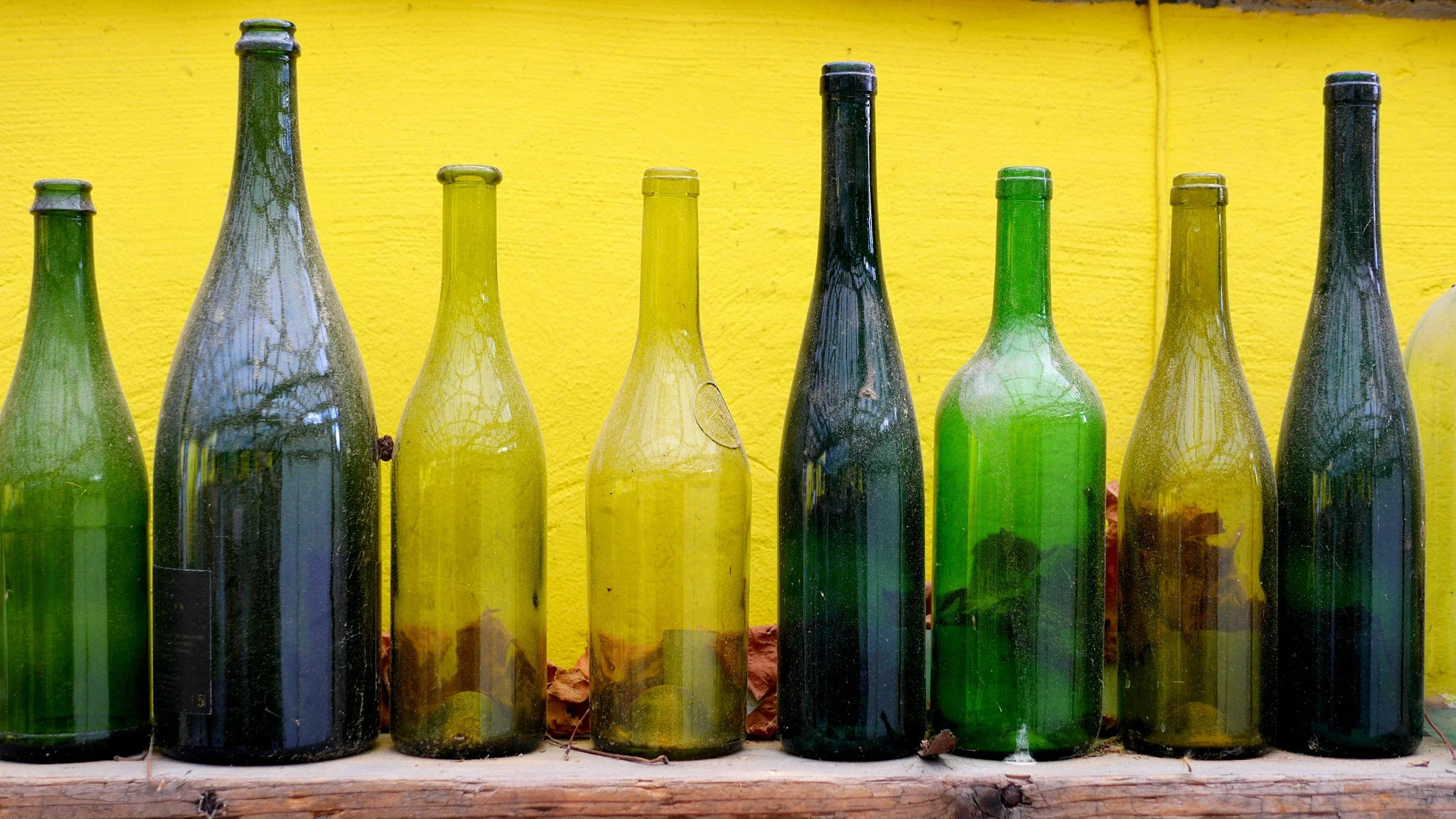
The shape of a wine bottle might seem like a simple design choice, but it carries centuries of history and practicality. Long before labels were standardized, bottle shapes helped merchants and drinkers identify a wine’s origin at a glance. Over time, these forms became closely tied to specific regions and styles, turning glass into a quiet but powerful language within the wine world. Even today, the silhouette of a bottle can set expectations before the cork is ever pulled.
One of the most recognizable shapes is the Bordeaux bottle, with its tall profile and pronounced shoulders. You would recognize a Bordeaux bottle from Peloton Cabernet Sauvignon, Merlot and Criterium. Those shoulders weren’t just an aesthetic flourish—they helped trap sediment in traditionally unfiltered wines when poured. In modern wine a Bordeaux bottle signals structure, aging potential, and gravitas.
In contrast, the Burgundy bottle has gently sloping shoulders and a wider body, a shape seen in Peloton Pinot Noir, Grenache, and Chardonnay. Its softer curves mirror the elegance and aromatic focus of the wines inside, reinforcing the idea that form and flavor are deeply connected.
Sparkling wine and Champagne bottles stand apart immediately due to their weight and construction. Made with much thicker glass, these bottles are designed to safely contain the high internal pressure created during secondary fermentation. The deep punt at the base is not merely decorative—it helps distribute pressure more evenly and adds structural strength. Over time, this sturdy shape has become synonymous with celebration and luxury, reinforcing the idea that sparkling wine is meant for special moments..
Beyond tradition, bottle shape still matters in the modern wine market because it shapes perception. Producers may choose classic forms to signal authenticity or break from convention to stand out on a shelf. For consumers, these shapes act as shortcuts, hinting at style, quality, and even price. In this way, wine bottles are more than containers—they’re storytellers, carrying messages about heritage, intent, and identity, all before the first sip is taken.
by Jack Kesselring